Choosing a Bathroom Fittings Shop in Ahmedabad: Plan for Space, Plumbing and Daily Comfort
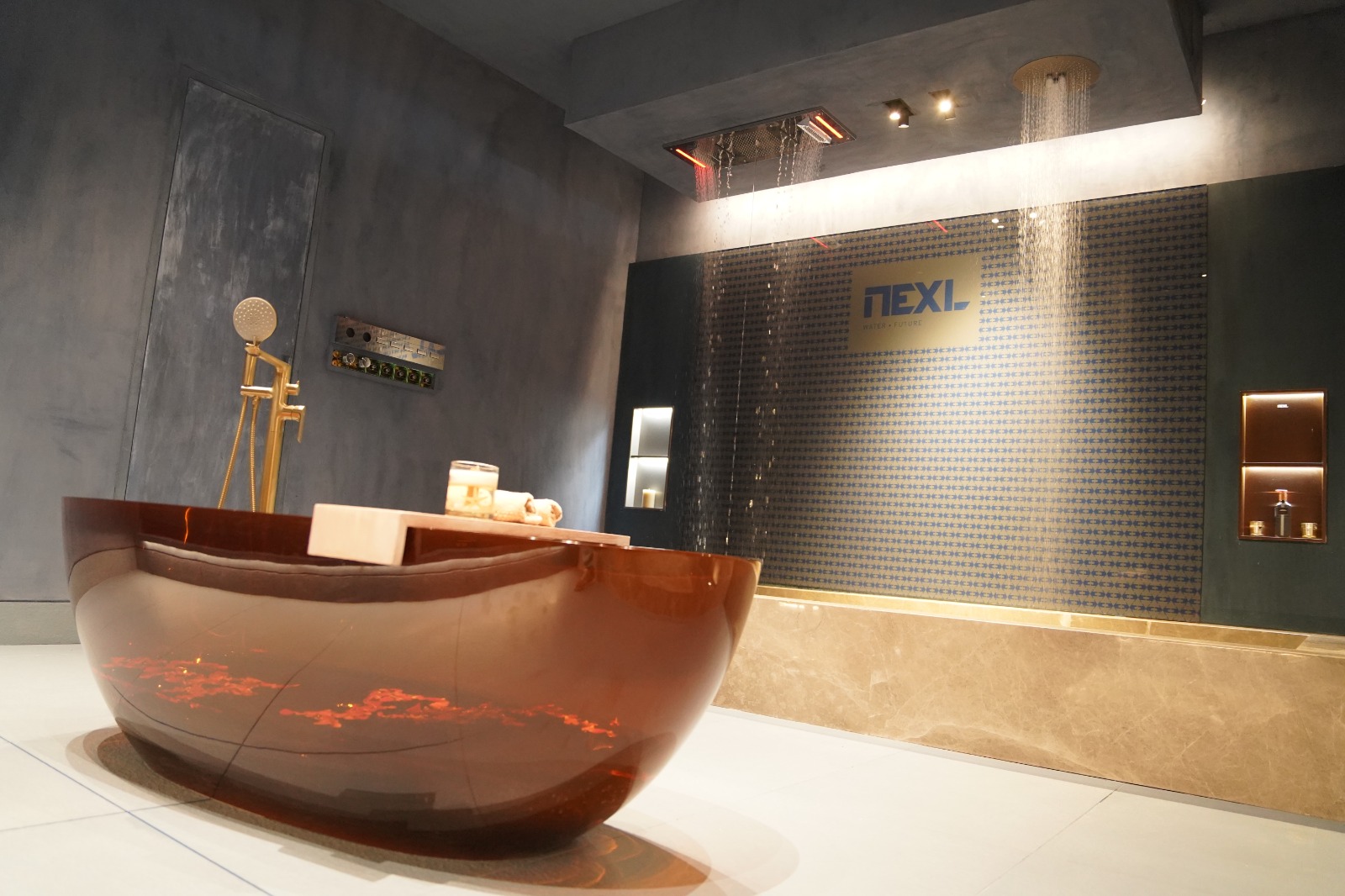
A bathroom may appear perfectly arranged on display but become less practical after the fittings are installed in your home. A poorly positioned basin tap can restrict washing space, shower controls may be difficult to reach, and a cabinet door might collide with the toilet. Such difficulties frequently arise when fittings are chosen separately without considering how they will function together. Making suitable purchases starts with evaluating the room, its plumbing connections and the requirements of those who use it.
When homeowners assess a bathroom fittings shop in Ahmedabad, it helps to organise purchases around the room's actual needs. Visual appeal matters, but available dimensions, plumbing conditions, cleaning demands and future servicing are equally relevant. Regardless of whether the project involves a few worn fittings or a full refurbishment, understanding how these factors connect supports more informed choices. The aim is to select fittings that remain comfortable and convenient long after the excitement of the new bathroom has faded.
Understand What Needs Improving in Your Bathroom
Rather than immediately browsing products, first establish what is not working well in the existing bathroom. You may find that the washbasin area feels congested each morning, the shower temperature is awkward to adjust, or there is no practical place for towels to dry. A replacement project becomes easier to manage when every new fitting addresses a specific everyday inconvenience. Focusing only on appearance can result in expensive changes while the bathroom's main practical problems remain.
Consider who regularly uses the bathroom and whether their requirements are different. In a shared household bathroom, simple operating controls, accessible cabinets and surfaces that wipe clean can be useful. For a limited guest bathroom, choosing fittings with modest dimensions may help maintain usable space. People with reduced hand strength may also find particular lever-style controls easier to use than small turning knobs. These observations form a practical set of requirements for comparing both the appearance and usefulness of different products.
Record the Space Before Comparing Products
Bathroom measurements should cover considerably more than the room's overall width and length. Record door positions and opening directions, window heights, plumbing outlets and any sections projecting from the walls. Check the available depth next to the basin and the clearance surrounding the toilet. A product that looks suitable in isolation might interfere with comfortable movement if its dimensions reduce essential clearance.
At a bathroom fittings shop in Ahmedabad, clear pictures and a basic measured layout can support more accurate discussions about potential purchases. Your records should identify the basin already installed, accessible pipe connections and areas involved in the intended work. For hidden plumbing, have the installer investigate the current connections before presuming that replacements will fit. Measurements also need on-site verification before products are ordered, particularly when cabinets, shower screens or wall-mounted fixtures allow minimal adjustment.
Understand the Difference Between Replacement and Plumbing Alterations
Replacing an existing exposed tap with a compatible model is quite different from converting a basin mixer into a wall-mounted installation. Such a conversion can require plumbing adjustments, wall repairs and careful planning around the finished surface. A different toilet arrangement or concealed shower control can affect the underlying installation as well as the external appearance. Understanding these requirements early reduces the risk of a seemingly minor purchase developing into a much larger renovation.
If the project involves only a small update, determine which original plumbing connections are suitable for reuse. Larger bathroom projects require the fixture layout to be settled before plumbing and finishing work reaches its final stages. Any concealed fittings need to work with the selected control trim and sit at the correct depth relative to the finished wall. Verify the full fitting arrangement before committing to separate product purchases. Compatibility deserves special attention when products come from different collections or only part of an installed system is being changed.
Choose a Basin and Tap That Work Together
A basin and its tap should be evaluated as a single arrangement because their relative dimensions influence how comfortably you can wash your hands. Spout height, forward reach and outlet position are all important considerations. Splashing can become more noticeable with tall taps and shallow basins, while limited spout reach may reduce comfortable washing space. The location at which water enters the basin is another factor affecting daily convenience.
Before selecting the mixer, determine whether installation involves a basin-mounted fitting, a separate counter opening or an outlet on the wall. The depth of the worktop and the space provided for fixings may influence installation requirements. The basin's overflow configuration should be checked for compatibility with its intended waste outlet. When a basin is positioned over a cabinet, provide sufficient space for its trap and internal pipework. What appears to be a generous drawer can lose useful capacity when waste pipes and fittings take up the available space.
Check Water Supply Requirements Before Selecting Shower Fittings
A bigger shower outlet is not automatically more satisfying in everyday use. The results depend on both the chosen fittings and the plumbing conditions supplying them. Water pressure and flow rate are related, but they are separate factors that may both require assessment. A shower that works well on display might behave differently at home, especially if other water outlets are being used at the same time.
Ask the installer to establish whether the intended shower configuration is suitable for the existing hot-water supply. A hand shower, overhead outlet and body jets can each impose different requirements on the available water supply. Check that the selected controls can operate the particular outlet combinations you intend to use. Temperature-control functions must be assessed alongside the water system rather than treated as independent features. A dependable shower setup supported by the existing plumbing is preferable to including more outlets without confirming their suitability.
Plan the Shower Area Around Movement and Cleaning
When planning a shower enclosure, allow for easy movement, comfortable operation and regular cleaning. Think about the steps involved in entering the shower, changing position and accessing washing products. Protruding handles, badly positioned shelves or glass doors that open inward may create problems in a small enclosure. Plan where the water outlet sits in relation to the enclosure opening and the intended water-containment arrangement.
Including a handheld outlet can support cleaning and different bathing preferences when the holder and hose are conveniently arranged. Shelves should remain easy to reach without getting in the way of movement. Have the installer check finished measurements, wall positioning and the drainage arrangement before finalising shower glass. Shower screens will not resolve unsuitable drainage falls or poorly completed waterproofing. Such underlying issues require attention before the work is covered and access becomes difficult.
Select Bathroom Finishes That Suit Your Maintenance Habits
Finishes affect the relationship between taps, tiling, mirrors and furniture, although maintenance deserves consideration alongside design. Water marks, finger impressions and leftover cleaning products can be more or less noticeable depending on whether a finish is shiny, brushed or dark. Water conditions, lighting and how often the surfaces are cleaned can influence the result. No decorative finish should be expected to stay completely spotless without maintenance.
While assessing finish samples, check the manufacturer's recommended cleaning methods and any limits on chemicals or abrasive equipment. The treatment suitable for surrounding tiles or ceramics may not be appropriate for coated fittings. If mineral deposits repeatedly appear in your existing bathroom, discuss the local water conditions before making a final finish selection. If possible, view the selected colours under comparable lighting before confirming your choices. Remember that brushed gold or matt black products from separate brands may not match exactly.
Plan Accessory Locations Around Daily Bathroom Routines
Bathroom accessories are frequently purchased after the larger fittings, although their placement can make a substantial difference to usability. Position towel rails where someone can easily reach a towel after using the shower or basin. A dispenser needs an accessible position that does not crowd the space surrounding the basin. Cabinets and shelves should accommodate Bathroom fittings shop in ahmedabad real household requirements, from spare toiletries to larger bottles and cleaning supplies.
Decide where accessories will be fixed before drilling, especially where concealed plumbing or waterproofed shower walls may be affected. Some mounting positions may need appropriate backing or specialist fixing arrangements. Where a support rail is required, select a fitting intended for that purpose and ensure its installation is properly assessed. A standard towel rail is not a substitute for a proper support aid. Mirror and cabinet locations also need to account for tap height, lighting and door clearance to avoid creating new obstructions.
Clarify Product Questions During Your Shop Visit
Convenience may motivate someone to look for a bathroom fittings shop near me, yet choosing suitable products involves more than finding a nearby store. The visit should provide an opportunity to clarify dimensions, understand how fittings work and check whether they suit the planned installation. Bring your bathroom measurements and explain whether the project involves straightforward replacements or changes to the layout. Providing this information helps direct attention towards suitability rather than making decisions from displays alone.
If display models permit hands-on testing, operate the controls, assess spout proportions and inspect surfaces where cleaning may be necessary. Check the supplied parts carefully rather than assuming that everything needed for installation comes together. A shower's visible trim may, for example, depend on a hidden installation body that is not included in the same purchase. Confirm the exact product code and selected surface finish instead of relying on pictures alone. Clear written technical details help the installer verify that the selected products match the bathroom's requirements.
Consider Total Purchase Costs and Future Servicing Requirements
An effective bathroom budget covers the selected fixtures, the components essential for installation and the labour needed to make everything operational. Waste outlets, traps, connectors, concealed valve bodies and mounting hardware can all influence the final expense. Modifications to pipework, repairs to finished surfaces and shower enclosure installation may increase the total further. A comparison of complete fitting packages is more informative than judging costs from the price of a single tap or shower outlet.
Long-term servicing is another important consideration, particularly when products have concealed components. Check how internal serviceable parts can be accessed and whether suitable replacements are available. Review the warranty terms for applicable limitations, exclusions and the steps or obligations involved in a claim. Keep product identification details alongside receipts and other purchasing documentation. Although a coordinated bathroom appearance is desirable, being able to maintain frequently used fittings can be equally important throughout their service life.
Organise Product Delivery and Installation Carefully
Before agreeing to an installation date, verify that every essential component is available. If a hidden installation component is unavailable, plumbing work may be postponed, and a basin arriving late can disrupt counter preparation. Examine the supplied products for damage and confirm that they correspond to the original order prior to installation. Verify that the delivered finishes are correct and the accompanying components are appropriate for the planned setup.
Ensure the installer can refer to the supplied instructions and settle uncertain details before carrying out work that could be difficult to reverse. Any pipework connections that will be concealed need to be checked properly while they can still be reached. Once installation is finished, operate each control, examine visible joints, test drainage and check that cabinet and enclosure doors open freely. Allow sealants and other installed materials to complete their specified curing periods before using the bathroom. These final checks help transform individually purchased fixtures into a bathroom that works comfortably for everyday routines.
Conclusion
Choosing appropriate bathroom fixtures is easier when decisions are based on the room's water connections, dimensions and everyday use. Begin by identifying the problems that need attention, confirming measurements and comparing complete product arrangements. When visiting a bathroom fittings shop in Ahmedabad, focus on clarifying installation compatibility, cleaning needs and maintenance requirements alongside visual design. A thoughtfully selected combination of taps, showers, sanitaryware and accessories can make the space more comfortable, easier to clean and more practical to maintain.
Comments on “How Much Do You Know About Bathroom fittings shop in ahmedabad?”